How Hormonal Changes Can Contribute to Varicose Veins
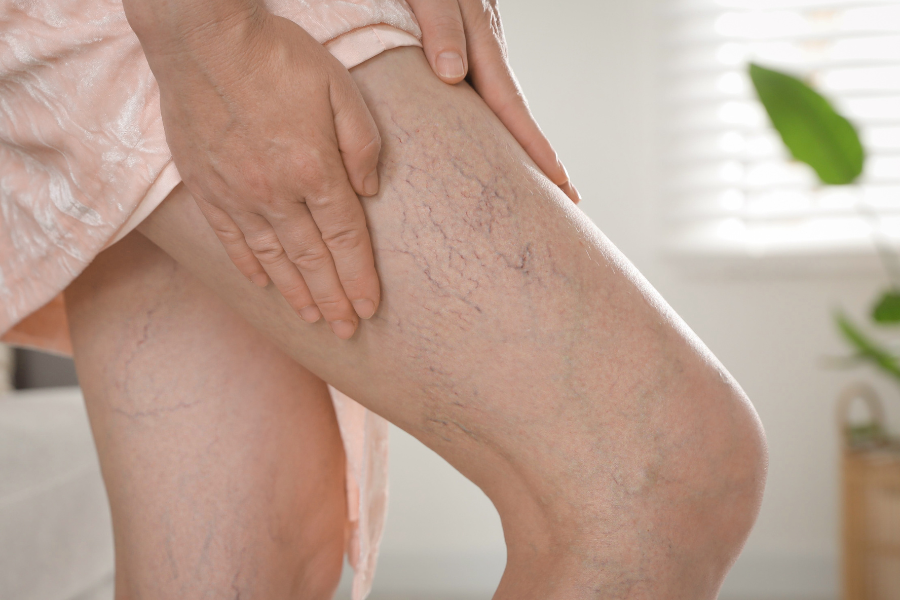
Many lifestyle, occupational, and health-related factors can contribute to the development of varicose and spider veins. But for women in particular, hormonal changes are often a key factor. Shifts in hormone levels during puberty, pregnancy, and menopause can affect blood volume and vein wall strength—both of which influence your risk for vein disease.
Puberty and Vein Health
During puberty, hormone levels rise significantly. Some of these hormones can weaken vein walls, making them more likely to stretch and bulge under pressure—leading to the formation of spider veins or varicose veins. Adopting healthy nutrition and exercise habits early in life may help reduce the impact of these changes on vein health.
Pregnancy and Varicose Veins
Pregnancy is one of the most common triggers for varicose and spider veins. Not only does blood volume increase dramatically, but the expanding uterus also puts pressure on the veins in the pelvis and legs, making it harder for blood to flow back to the heart. Hormonal shifts, particularly increased levels of progesterone, further relax the vein walls.
While varicose veins that appear during pregnancy often improve within three months after delivery, they may return or worsen with each additional pregnancy.
Hormone Therapy and Birth Control
Hormonal medications like estrogen, progesterone, and birth control pills can also affect vein strength and blood flow. These treatments may increase your risk of developing vein issues, especially if other risk factors are present such as genetics, prolonged standing or sitting, or pregnancy history.
Supporting Vein Health at Every Age
As hormone levels continue to fluctuate throughout life, especially during menopause, it’s important to support your vein health with consistent habits:
-
Exercise regularly
-
Eat a high-fiber diet
-
Elevate your legs when resting
-
Avoid prolonged standing or sitting
-
Explore natural therapies like massage or dietary supplements (with physician guidance)
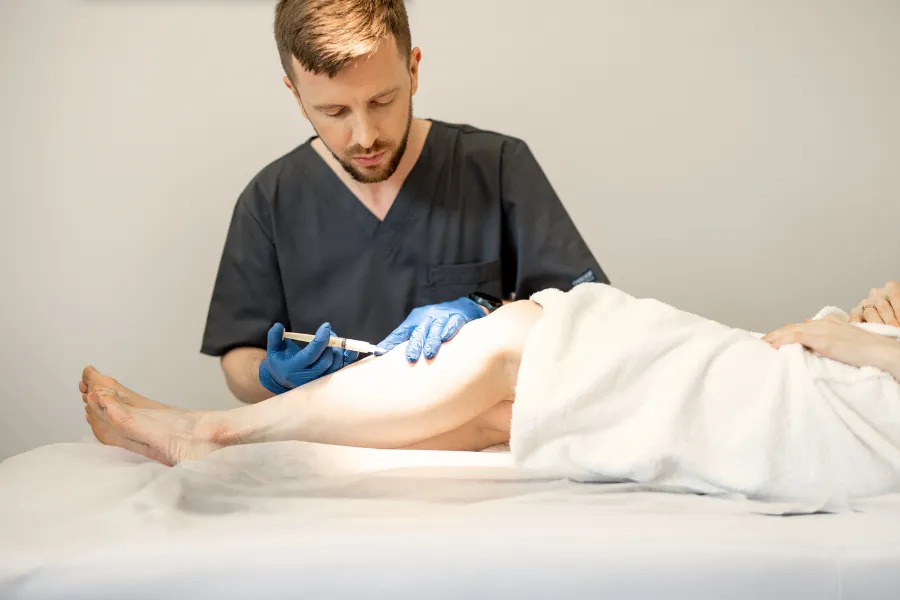
If you’re dealing with visible or uncomfortable veins, The Vein Institute of Jacksonville offers a range of treatment options including sclerotherapy, compression therapy, and minimally invasive procedures tailored to your needs.
Call 904.867.7270 (VEIN) to schedule your consultation today.
Frequently Asked Questions
IAC Accredited Vascular Testing
We are proud to be distinguished as an IAC Accredited Vascular Testing Facility. The Vein Institute adheres to the strictest national guidelines for vascular testing, demonstrating a commitment to the highest quality patient care.

Do crossing your legs or standing all day cause varicose veins? Separate 5 common myths from facts and learn when to seek a vein evaluation.