 Varicose veins are more than a cosmetic issue. For many, they cause pain, swelling, and discomfort that interfere with daily life. Thankfully, modern medicine continues to evolve, bringing new, less invasive treatment options.
At The Vein Institute of Jacksonville, we stay at the forefront of these advancements. Today, we’re taking a closer look at how laser treatments and ablation procedures are shaping the future of varicose vein care — and what you can do to help prevent these issues in the first place.
Understanding Varicose Veins
Varicose veins form when the tiny valves in your leg veins weaken or fail, allowing blood to pool instead of flowing back up to the heart. Over time, this leads to enlarged, twisted veins that bulge beneath the skin.
While this condition can be genetic, other contributing factors include:
- Prolonged standing or sitting
- Obesity
- Aging
- Hormonal changes (like pregnancy or menopause)
- A sedentary lifestyle
- Pregnancy
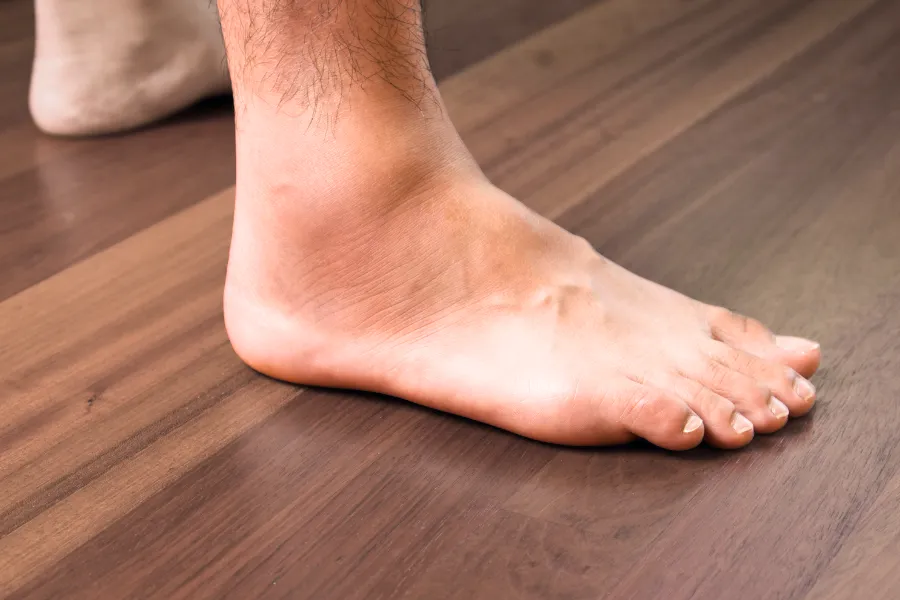
Common symptoms include aching legs, swelling around the ankles, and visible, rope-like veins.
Modern Treatments: Lasers & Ablation Leading the Way
Endovenous Laser Treatment (EVLT)
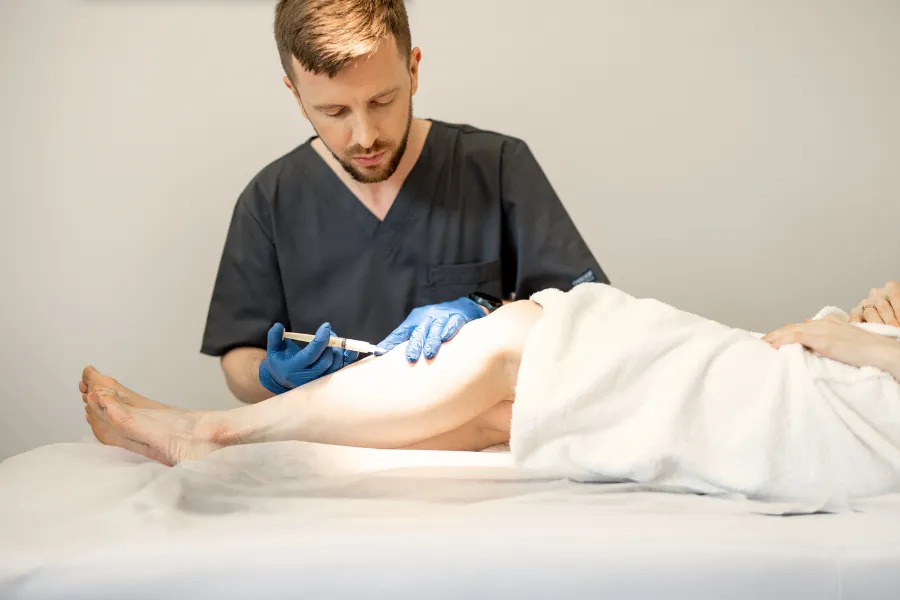
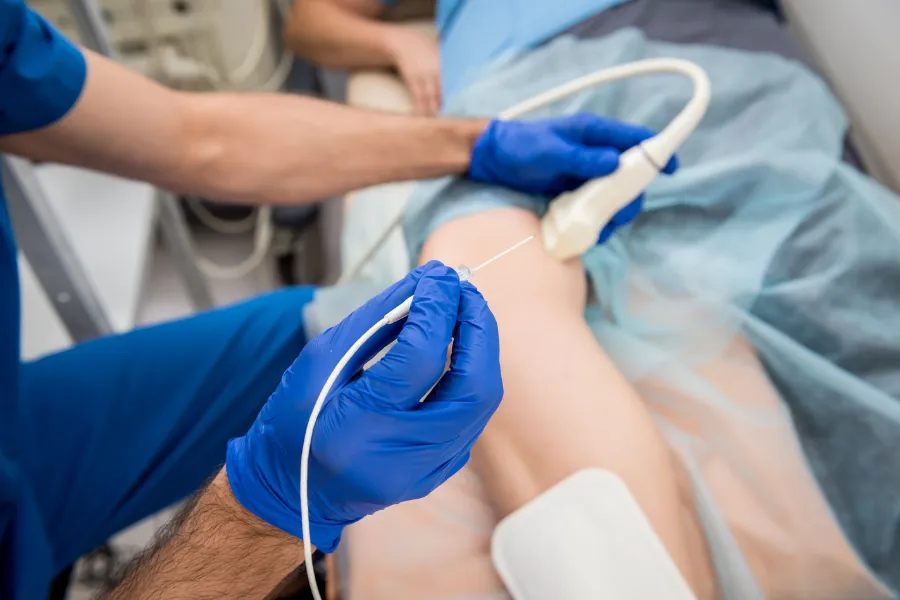
One of the most effective methods to treat varicose veins is Endovenous Laser Treatment. Using a thin fiber, laser energy is directed inside the problematic vein, causing it to collapse and seal shut. Blood is naturally redirected to healthier veins. The entire process is quick, minimally invasive, and has a high success rate.
Radiofrequency Ablation (RFA)
 Another leading treatment is Radiofrequency Ablation. Similar to EVLT, it uses heat, but through radiofrequency energy, to close off faulty veins. RFA boasts excellent outcomes with minimal downtime, making it a preferred choice for many patients.
Why These Treatments Are Changing the Game
Unlike older surgical methods, EVLT and RFA offer:
- Minimally invasive procedures with tiny entry points (no large incisions)
- High effectiveness (success rates above 90%)
- Minimal bruising and faster recovery
- In-office treatment with local anesthesia
- A quick return to normal activities
These techniques represent the future of varicose vein care — focusing on precision, comfort, and long-term results.
Prevention: Supporting Healthy Veins Starts with You
While some risk factors for varicose veins are out of your control, there’s still plenty you can do to reduce your chances of developing them.
Simple lifestyle adjustments can make a big difference:
- Stay active with walking, swimming, or cycling to keep blood flowing.
- Elevate your legs when resting to reduce swelling and improve circulation.
- Maintain a healthy weight to minimize strain on your veins.
- Wear compression stockings if recommended by your provider.
- Avoid sitting or standing too long without breaks.
- Choose a balanced diet rich in fiber, antioxidants, and hydration to support overall vascular health.
Preventive care isn’t about perfection — it’s about making small, consistent choices that benefit your vein health over time.
When to See a Vein Specialist
 If you’re noticing leg pain, swelling, or visible varicose veins, don’t wait to seek help. Chronic venous insufficiency is a progressive condition that worsens over time. Early treatment can alleviate symptoms, prevent complications, and help you maintain an active and comfortable lifestyle.
At The Vein Institute of Jacksonville, we offer expert evaluations and advanced treatments, such as EVLT and RFA, designed with your comfort and results in mind.
Take the Next Step
Are you ready to explore your vein treatment options? Let’s discuss how modern solutions, such as lasers and ablation, can help you feel and move better.
Frequently Asked Questions
IAC Accredited Vascular Testing
We are proud to be distinguished as an IAC Accredited Vascular Testing Facility. The Vein Institute adheres to the strictest national guidelines for vascular testing, demonstrating a commitment to the highest quality patient care.

Do crossing your legs or standing all day cause varicose veins? Separate 5 common myths from facts and learn when to seek a vein evaluation.