
Understanding the Difference Between Varicose Veins, Blue Veins, and Spider Veins
At The Vein Institute of Jacksonville, patients often come in with concerns about visible leg veins—whether it’s for cosmetic reasons, discomfort, or both. While varicose veins, blue veins, and spider veins may seem similar at first glance, each one has unique characteristics and requires a different approach to treatment.
Varicose Veins
Varicose veins are enlarged, bulging veins caused by faulty valves that allow blood to pool instead of flowing properly toward the heart. This leads to swelling, heaviness, and veins that rise above the surface of the skin—often seen on the backs of the calves or the inside of the legs. Varicose veins are typically larger than 3 mm in diameter and can cause significant discomfort if left untreated.
Blue Veins
Also known as reticular veins or feeder veins, blue veins appear as bluish-green lines just beneath the skin. These veins are 1 mm to under 3 mm in diameter and result from deoxygenated blood pooling in the superficial veins. While less prominent than varicose veins, blue veins can still contribute to aching or heaviness in the legs and may feed into visible spider veins.
Spider Veins
Spider veins are the smallest and most superficial of the three types, usually less than 1 mm in diameter. They often form red, blue, or purple web-like patterns near the surface of the skin, most commonly on the thighs, around the knees, calves, and ankles. Like varicose and blue veins, spider veins are caused by weakened valves and poor circulation, though they tend to be more cosmetic in nature.
What Should You Do If You Notice These Veins?
If you’re noticing visible veins, leg discomfort, swelling, or heaviness, it’s time to speak with a vein specialist. Identifying the type of vein issue you have is the first step toward getting effective, personalized treatment.
Get Expert Vein Care
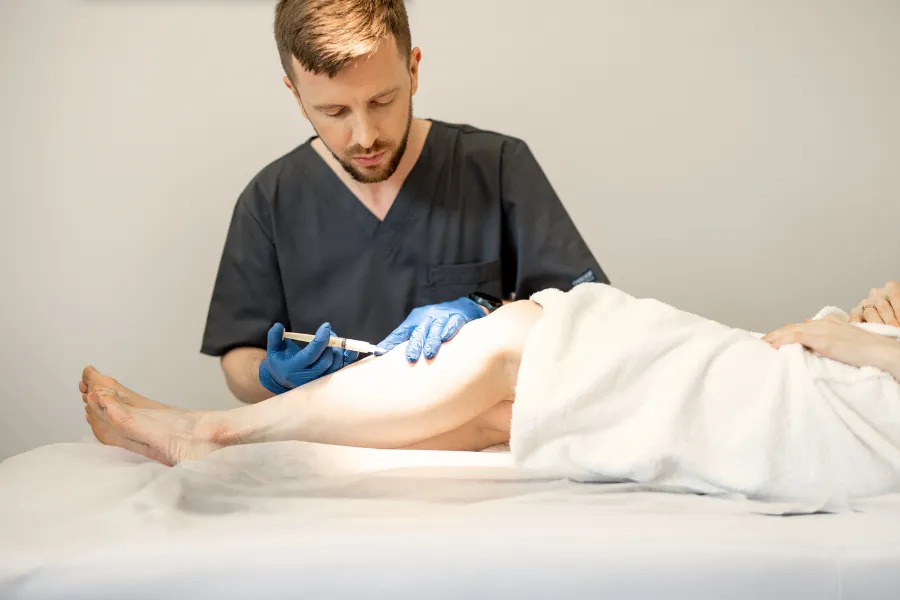
The Vein Institute of Jacksonville offers diagnostic imaging and a wide range of minimally invasive treatments to help you feel and look your best. Whether you’re concerned about pain, appearance, or both, we’re here to help.
Call 904.901.7881 (VEIN) or request an appointment online today.
Frequently Asked Questions
IAC Accredited Vascular Testing
We are proud to be distinguished as an IAC Accredited Vascular Testing Facility. The Vein Institute adheres to the strictest national guidelines for vascular testing, demonstrating a commitment to the highest quality patient care.

Do crossing your legs or standing all day cause varicose veins? Separate 5 common myths from facts and learn when to seek a vein evaluation.