
Vein Myths vs. Facts: 5 Things That Do and Don’t Cause Varicose Veins
Crossing your legs, wearing high heels, and other everyday habits often get blamed for varicose veins. The real causes have more to do with how well blood moves through the veins in your legs, which is impacted by factors like age, pregnancy, and family history that you can’t fully control.
Here’s what’s actually true, and what to do about it.
What Actually Causes Varicose Veins?
Varicose veins are enlarged, twisted veins that most often develop in the legs. They form when vein walls or the one-way valves that move blood back toward the heart stop working properly. Blood then flows backward and pools inside the vein, raising pressure and causing it to enlarge.
The National Heart, Lung, and Blood Institute lists age, pregnancy, obesity, repeated sitting or standing, an inactive lifestyle, and family history as the factors associated with varicose veins.
Key facts:
- Real risk factors:family history, pregnancy, age, excess weight, inactivity, and extended sitting or standing.
- Not a cause:crossing your legs has never been shown to cause varicose veins.
- What helps:regular movement, a healthy weight, leg elevation, and compression therapy when a provider recommends it.
- Not just cosmetic:varicose veins paired with pain, swelling, skin changes, or ulcers can signal chronic venous disease and deserve medical attention.
Understanding Venous Blood Flow
Veins return blood from your legs to your heart, working against gravity the whole way. One-way valves inside your leg veins help keep that blood moving upward, and your calf muscles act as a pump, contracting each time you walk to push blood back toward the heart.
When vein walls or valves weaken, blood can flow backward and pool in the legs, a process called venous reflux. This pressure buildup causes veins to enlarge and become visible as varicose veins.

Myth vs. Fact 1: Crossing Your Legs Causes Varicose Veins
The myth:Crossing your legs damages circulation and causes veins to twist and enlarge.
The fact:Crossing your legs has not been established as a cause of varicose veins. The factors that actually matter are age, family history, pregnancy, excess weight, inactivity, and long periods of sitting or standing.
Myth vs. Fact 2: Only Older Adults Get Varicose Veins
The myth:Varicose veins are just a normal part of aging and mainly affect seniors.
The fact:Age raises your risk, but varicose veins can appear in younger and middle-aged adults too.
Pregnancy is a common reason they show up earlier in life. It increases blood volume, triggers hormonal changes, and adds pressure on leg veins as the uterus grows, making it harder for blood to return efficiently. Jobs that involve long hours of sitting or standing can raise venous pressure at any age, which is why regular movement matters regardless of age.
Myth vs. Fact 3: Sitting Too Long and Standing Still Increase Risk
The myth:Daily activity and work habits have little effect on vein health.
The fact:Extended sitting or standing is a recognized risk factor for varicose veins.
Movement activates the calf muscles that push venous blood back toward the heart. Staying in one position too long causes blood to accumulate in the leg veins, raising pressure inside them. The Society for Vascular Surgery recommends walking, maintaining a healthy weight, elevating the legs while resting, and avoiding long stretches of sitting or standing still. If your job keeps you at a desk or on your feet most of the day, taking short breaks to walk or flex your ankles and calves helps keep blood moving.
Myth vs. Fact 4: Varicose Veins Are Just a Cosmetic Concern
The myth:If the appearance doesn’t bother you, there’s no reason to pay attention to varicose veins.
The fact:Some varicose veins cause few or no symptoms, but others are linked to chronic venous disease that warrants medical attention.
Possible symptoms and complications include:
- Aching or heavy legs, often worse after long periods of sitting or standing.
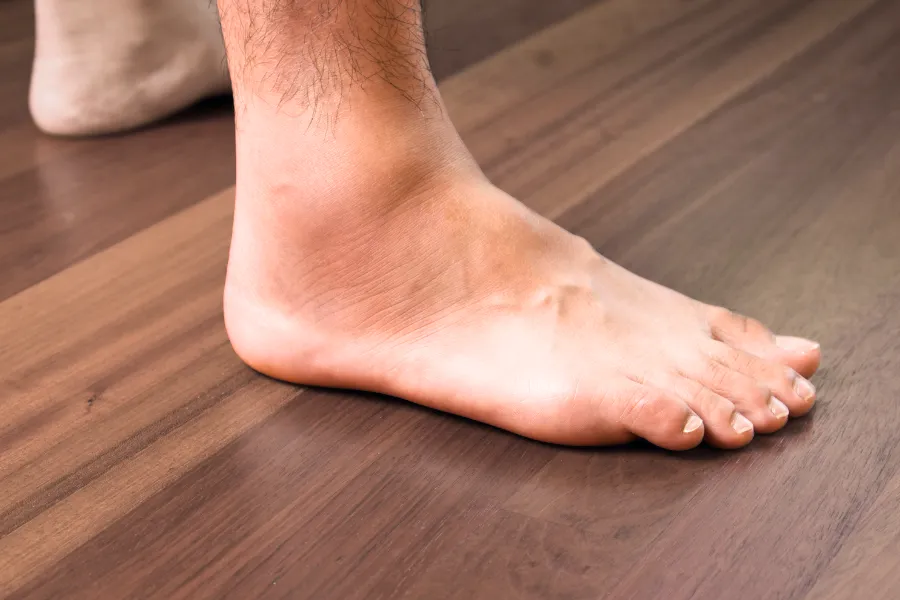
- Swellingaround the ankles and lower legs.
- Skin discoloration, brown or reddish changes on the lower legs and ankles.
- Skin irritation, including itching, dryness, and inflammation.
- Venous ulcers, slow-healing wounds that tend to form near the ankle in more advanced cases.
The Society for Vascular Surgery lists visible varicose veins, brown skin discoloration, leg discomfort, and hard-to-heal leg ulcers among the signs of chronic venous insufficiency. Evaluate varicose veins based on your symptoms, not just their appearance.
Myth vs. Fact 5: Surgery Is the Only Way to Treat Vein Disease
The myth:Treating varicose veins always means vein stripping, a hospital stay, and a long recovery.
The fact:Most varicose vein treatments today are minimally invasive and done in an outpatient or office setting.
Treatment depends on which veins are involved, how severe the reflux is, your symptoms, and your overall health. Common options include:
- Endovenous thermal ablation:laser or radiofrequency energy closes an abnormal vein.
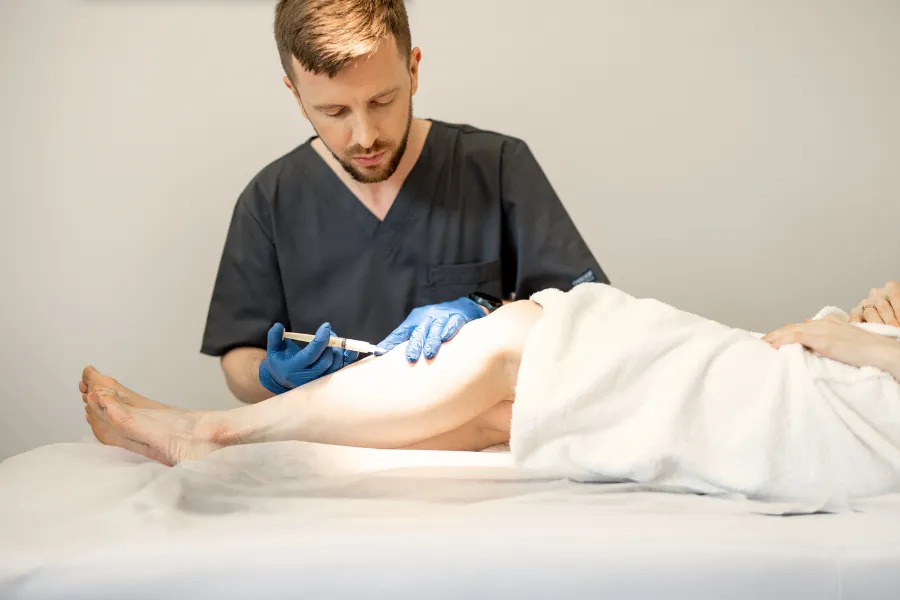
- Sclerotherapy:a liquid or foam solution injected into the vein to close it.
- Nonthermal closure techniques:alternative methods that close an unhealthy vein without heat, appropriate for select patients.
- Compression therapy:stockings that reduce swelling, aching, and heaviness, often used alongside a procedure.
The National Heart, Lung, and Blood Institute notes that most varicose vein procedures are minimally invasive and don’t require a long recovery. Not every treatment fits every patient. Our vein specialists use your exam and ultrasound findings to decide what’s appropriate.
Could your symptoms be vein-related? Take our free vein assessment quiz to see if an expert assessment makes sense for you.

How to Help Prevent Varicose Veins From Getting Worse
You can’t change your age or family history, but you can support healthy circulation and help keep existing varicose veins from worsening.
Consider compression stockings when appropriate.Graduated compression places the greatest pressure at the ankle and less higher up the leg, which can reduce swelling and symptoms for some people. Ask your provider whether compression therapy fits your needs and what level to use.
Break up long periods of sitting or standing. Change positions regularly. Walking, flexing your ankles, or doing calf raises activates the calf muscle pump.
Raise your legs.Raising your feet above heart level for short periods can ease pressure in the leg veins and reduce swelling.
Stay active and maintain a healthy weight. Walking helps your calf muscles move blood back toward your heart, and carrying less weight reduces pressure on your leg veins.
Frequently Asked Questions
Does running cause varicose veins?
No. Running has not been established as a cause of varicose veins, and physical activity generally helps the calf muscles move blood through the veins. If you already have symptomatic venous disease, ask your provider whether you should modify your routine or use compression during exercise.
Can weight loss reverse varicose veins?
No. Weight loss can’t repair a vein valve that’s already damaged, but maintaining a healthy weight reduces pressure on the veins and is a standard lifestyle recommendation for people with varicose veins.
Are spider veins the same as varicose veins?
No. Spider veins are smaller red, blue, or purple vessels close to the skin’s surface. Varicose veins are larger and may bulge or appear twisted. A vein specialist can determine whether visible veins are linked to underlying venous reflux.
Can varicose veins go away on their own?
No. Varicose veins caused by damaged or weakened valves generally don’t disappear through exercise or lifestyle changes alone. Lifestyle measures can relieve symptoms and reduce venous pressure, while medical treatment closes or removes the problem veins.
What’s the best treatment for varicose veins?
There’s no single best treatment. It depends on your symptoms, ultrasound findings, and which veins are involved. Options range from compression therapy and sclerotherapy to endovenous ablation, nonthermal closure techniques, and, in select cases, surgery.
When to Seek a Professional Vein Evaluation
Visible veins alone don’t always need treatment, but persistent symptoms or skin changes do deserve medical attention. Consider scheduling an evaluation if you notice:
- Bulging or twisted veins in your thighs, calves, or ankles
- Persistent aching, throbbing, or weight in your legs
- Swelling in your lower legs or ankles, especially later in the day
- Brown or reddish skin discoloration, or changes in skin texture around your ankles
- Persistent itching or irritation around affected veins
- Slow-healing sores on your lower legs or ankles
At The Vein Institute, our vascular specialists use noninvasive duplex ultrasound to evaluate blood flow and identify abnormal venous reflux, then build a treatment plan around your symptoms, vein anatomy, and lifestyle.
If your legs regularly feel heavy, achy, swollen, or uncomfortable, schedule a consultation with The Vein Institute to find out whether an underlying vein condition could be responsible.
IAC Accredited Vascular Testing
We are proud to be distinguished as an IAC Accredited Vascular Testing Facility. The Vein Institute adheres to the strictest national guidelines for vascular testing, demonstrating a commitment to the highest quality patient care.